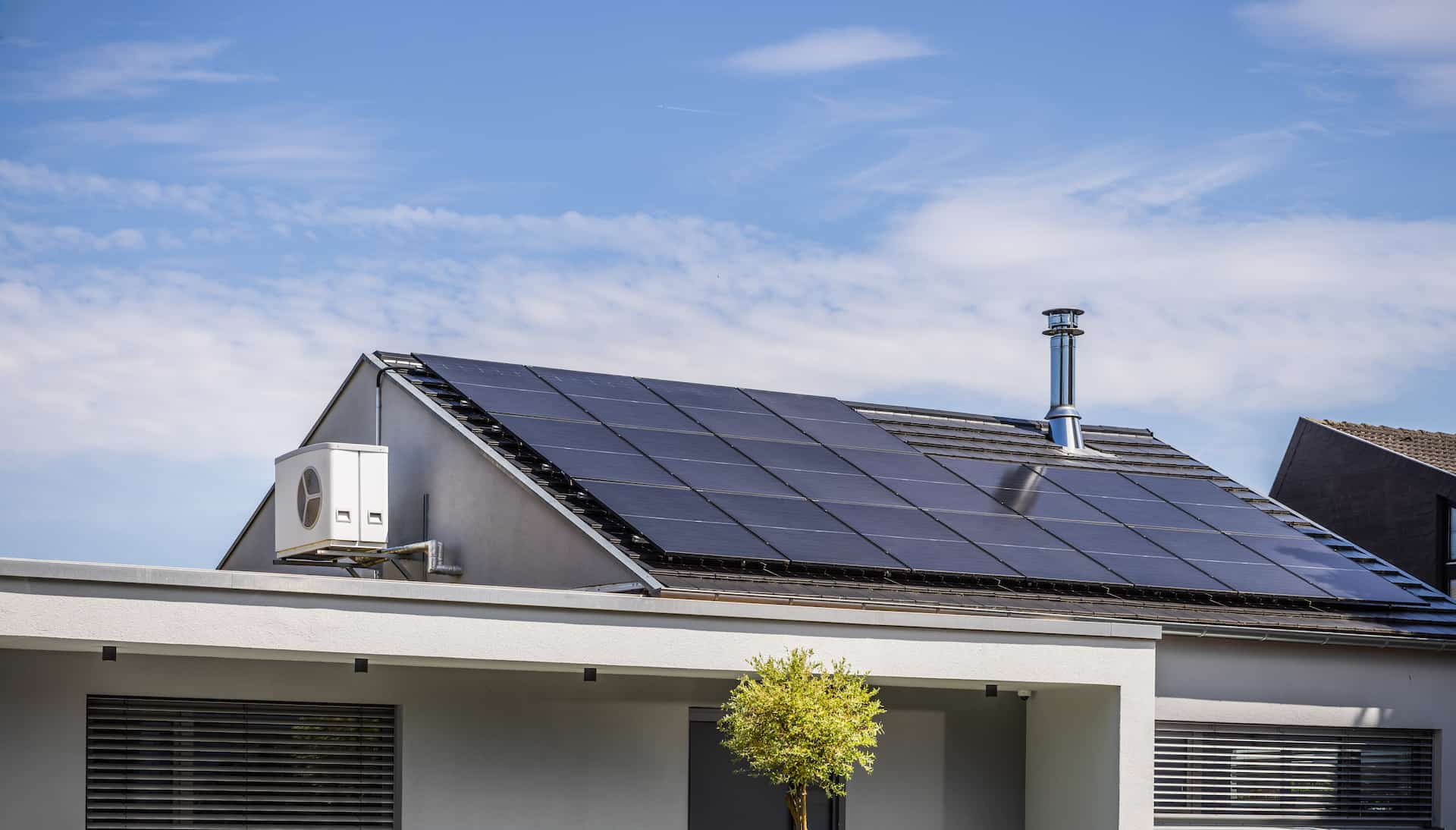

The Distribution Network Service Provider (DNSP) for your location will determine how much solar you can export to the grid. These export limits vary across Australia, making it important to understand your area’s export limits.
Here, we’ll cover export limits by state and how to maximise your residential solar system’s value.
Quick Summary
- Most Australian homes can export between 1.5kW and 10kW, depending on location and network
- A 5kW export limit per phase is common for standard connections
- Dynamic/flexible exports are becoming more common and can allow up to 10kW per phase
- Export limits depend on your energy network, not just your solar system size
- Using your solar at home or storing it in a battery is often more valuable than exporting it
How Much Solar Can You Export in Australia?
Most Australian homes can export between 1.5kW and 10kW, depending on location and network.
5kW per phase is common for standard connections in residential homes. Dynamic exports can allow up to 10kW per phase.
Some areas in Australia are as low as 1.5kW or 0kW, especially rural locations. These export limits depend on your local network distributor.
The Distribution Network Service Providers (DNSPs) are the primary authorities for solar export in Australia.
Why Your Solar System Size Is Not the Same as Your Export Limit
System size is not the same as your export limit:
- Solar System Size: Total kW your panels can generate
- Export Limit: Cap on how many kW of excess energy can be sent to the grid
Export limits are intended to prevent too much solar from flowing back into the grid and causing instability. The limits do not affect how much electricity a homeowner can generate from their solar system.
Example Scenario
A residence has a large 10kW solar system. Their location has a 5kW export limit. Their system is allowed, as power is only restricted when it exceeds the export threshold and home consumption.
You May Also Like: How Do Solar Panels Work?
What Affects How Much Solar You Can Export?
Network Provider
The answer to “how much solar can I export” depends on your network provider. Your local distributor sets export limits to protect the local grid from overvoltage.
If you are in Victoria, find your local network provider here: Find your energy distributor.
Phase Type
Export limits also depend on the phase type. A single-phase home will be able to export less electricity than a three-phase home.
Here’s how a 5kW export limit changes based on phase connection:
- Single-phase: 5kW limit
- Three-phase: The export limit increases to 15kW
Grid Capacity
Grid capacity is one of the biggest factors that determines solar export limits. These limits prevent voltage overload from too much energy being transported back to the grid. Most networks enforce caps of 5kW or lower.
Time of Day
Time of day plays a key role in solar export limits, with the middle of the day featuring the strictest limits.
This is because the middle of the day features high solar generation but lower demand. Excess power being sent back to the grid can lead to power surges and damage.
You May Also Like: The Advantages and Disadvantages of Solar Power
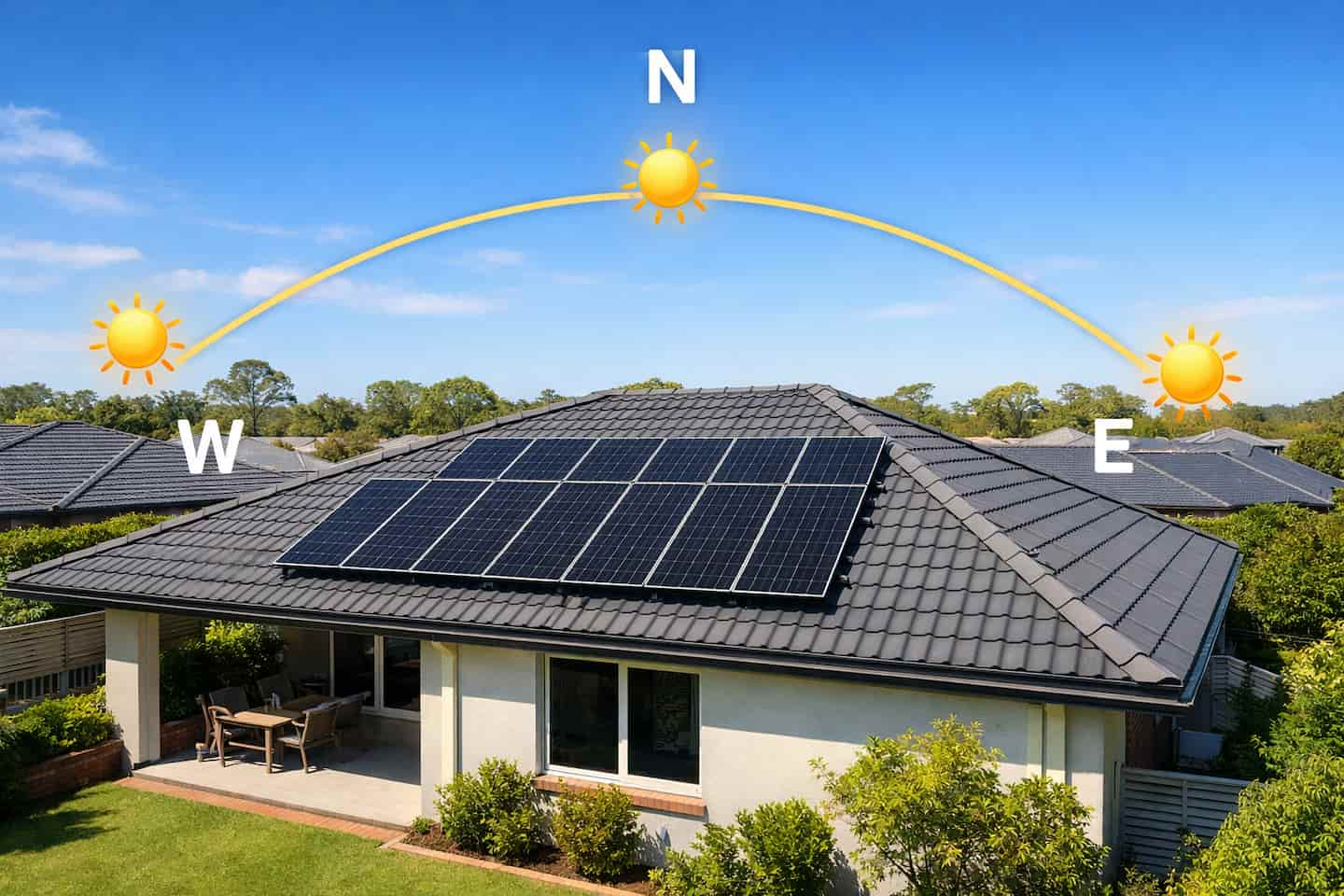
Fixed vs Dynamic Export Limits Explained
Fixed Export Limits
Fixed solar export limits restrict how many kW’s residential solar systems can send back to the grid at any time. 5kW total for single-phase homes is a common fixed export limit.
Fixed export limits exist to prevent the power grid from overload and outages, especially during mid-day.
Dynamic/Flexible Exports
Flexible exports allow higher exports of excess energy to the grid during times of low congestion.
Flexible exports protect the grid while allowing homeowners to make the most of their energy generation.
Dynamic exports adjust limits automatically in real-time. This keeps the network stable while allowing homeowners to export more of their excess energy.
Flexible Exports are enabled by ‘smart’, internet-connected inverters that make real-time adjustments based on the grid.
Benefits of flexible exports include:
- Less energy wastage
- Allows single-phase customers to increase their solar export limits without destabilising the grid
- Can increase export limits up to 10kW in many cases
- Get more out of your solar while supporting a more flexible electricity network
- Earn more money from your energy generation
- Help keep the network reliable, stable, and future-proof
Solar Export Limits by State (Australia)
Wondering “how much solar can I export to the grid?” The answer will depend on your state and local network considerations.
Here is a look at the solar export limits by state in Australia.
Western Australia (WA)
In Western Australia, Western Power implements solar export limits to protect grid stability. For many households in WA, the export limit is 1.5kW.
You May Also Like: Solar Rebate WA
New South Wales (NSW)
New South Wales has multiple energy networks, including Essential, Ausgrid, and Endeavour Energy.
To answer “how much solar can I export?”, check the network caps below based on your area and provider:
- Endeavour Energy (Southwest of Sydney): Typically limits exports to 5kW for single-phase connections and up to 10kW for flexible export.
- Essential Energy (Regional NSW): Limits exports to 5kW for single-phase connections. Some rural areas may be constrained to 3kW.
- Ausgrid (Central Coast, Hunter, and Northern Sydney): Implements higher caps, usually up to 10kW per phase.
In New South Wales, flexible exports are becoming standard, leading to increased export potential. These dynamic export options allow up to 10kW per phase to be exported, depending on real-time grid capacity.
You May Also Like: NSW and Sydney Solar Rebate Information
Queensland (QLD):
Solar export limits in Queensland solar export limits are managed by Ergon and Energex Energy:
The standard export limit in Queensland is 5kW per phase for residential properties. Some rural areas restrict solar exports to 2kW.
Many locations enable dynamic export, allowing up to 10kW per phase, depending on the inverter capacity and network.
You May Also Like: Queensland Solar Rebate
South Australia (SA):
South Australia tends to have lower fixed export limits. However, they are a global leader in adopting flexible export options.
These flexible exports would allow homeowners to export up to 10kW per phase, provided the grid can handle it.
You May Also Like: South Australia Solar Rebate
What Happens If Your Solar Export Is Limited?
Curtailment
One of the consequences of export limiting is curtailment. This is when energy production exceeds both the export limit and your home’s usage. The inverter throttles down once the export limit is reached. The excess power is lost, usually dissipating as heat.
Some networks allow up to 5kW to be exported during normal operation. However, the network may require that amount to be curtailed to 1.5kW during grid stress.
Financial Impact
If you cannot export during peak production times, you’ll receive fewer feed-in credits (FITs). This means reduced revenue overall.
Reduced feed-in returns
When the inverter throttles power production, this excess energy cannot be used or stored. This reduces feed-in returns.
How to Make the Most of Your Solar Instead of Exporting It
To avoid wasting energy that you cannot export, make a point of consuming as much energy as possible. Focus on self-consumption with these three tactics.
1. Load Shifting
Practice load shifting to make the most of free power generation during the day. Using energy during the day leaves less excess energy to export.
We recommend using high-energy appliances during the middle of the day when the panels are generating the most electricity. Using appliances during this time maximizes energy production and savings.
2. Battery Storage
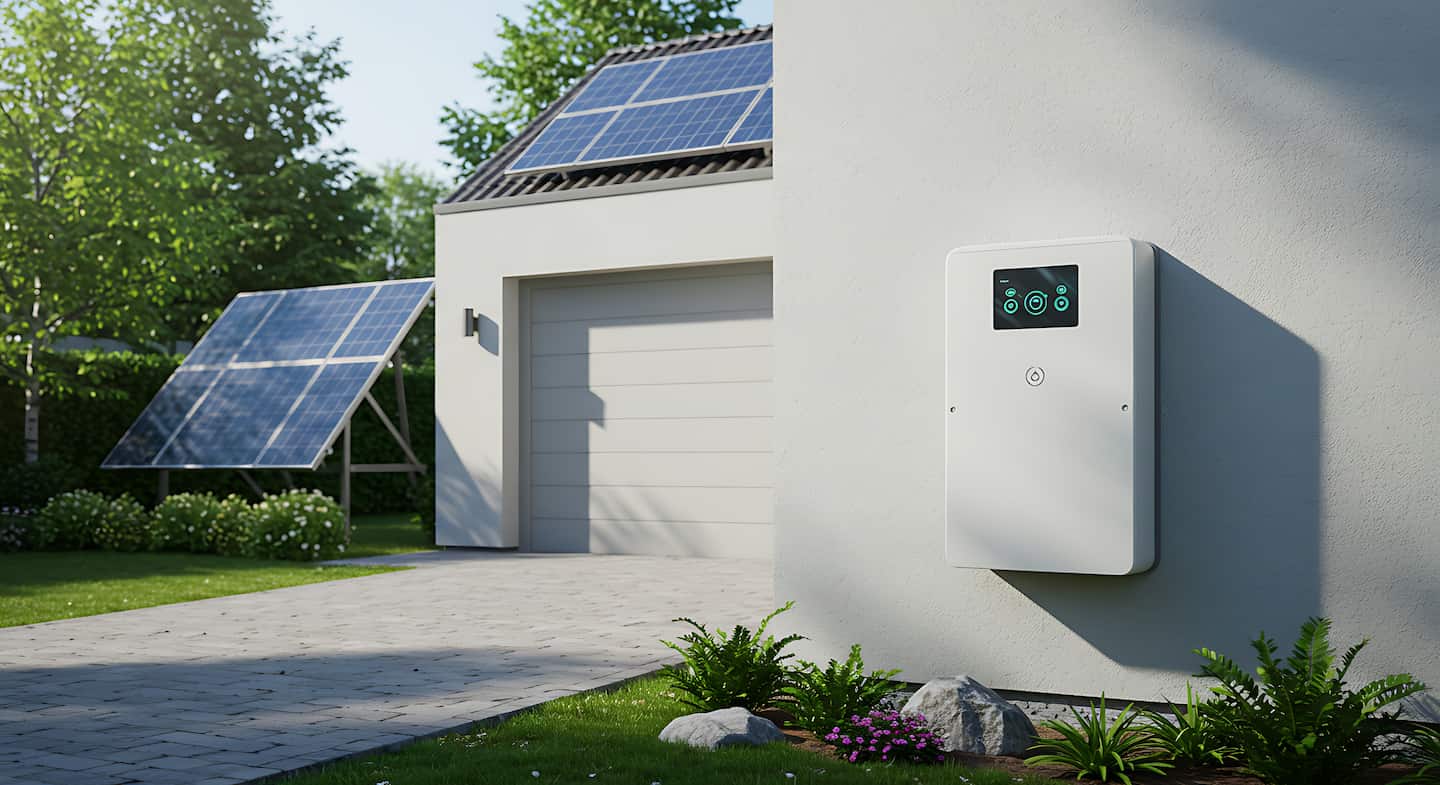
Investing in battery storage is one of the best ways to make the most of your energy generation instead of exporting it.
Installing solar batteries allows excess energy to be stored for use at night instead of wasting it.
Learn more about the benefits of solar batteries in our guide here: Solar Battery Power Guide.
3. Smart Energy Usage and Timers
An approved timer can help you make the most of daytime energy production for uses such as:
- Pool heaters or pool pumps
- Home EV chargers
- Washing machines
- HVAC
- Electric water heaters
- Dishwashers
Is Exporting Solar Still Worth It in Australia?
Yes, even in a state with strict export limits, residential solar systems are still worth it. The total production of large solar systems rarely wastes a significant amount of energy.
For example:
- A 10kW solar system in Australia is capped to a 5kW export limit during normal operation.
The household members prioritise self-consumption during mid-day, running their high-energy appliances during this time. Their system generates 8kW of energy, and they use 3kW. Since the extra 5kW can be exported, they waste no energy.
With a well-planned residential solar system, export limits do not need to affect your system’s value. With falling feed-in tariffs, most export limits will have minimal financial impact.
Australia is also pushing toward flexible export limits and making solar batteries more affordable. This will make it easier for homeowners to use as much energy as possible before sending it back to the grid.
Get the Most Out of Your Solar System in Australia
Export limits are normal across Australia and vary based on the state and network provider. Maximising your solar system’s value is about using and storing energy, not just exporting it.
Want to make the most of your residential solar system and minimise energy wastage?
Our solar technicians can design a system tailored to your energy goals and needs, location, and network.
Contact our experts for advice on solar export limits in your area, system sizing, and battery integration.