
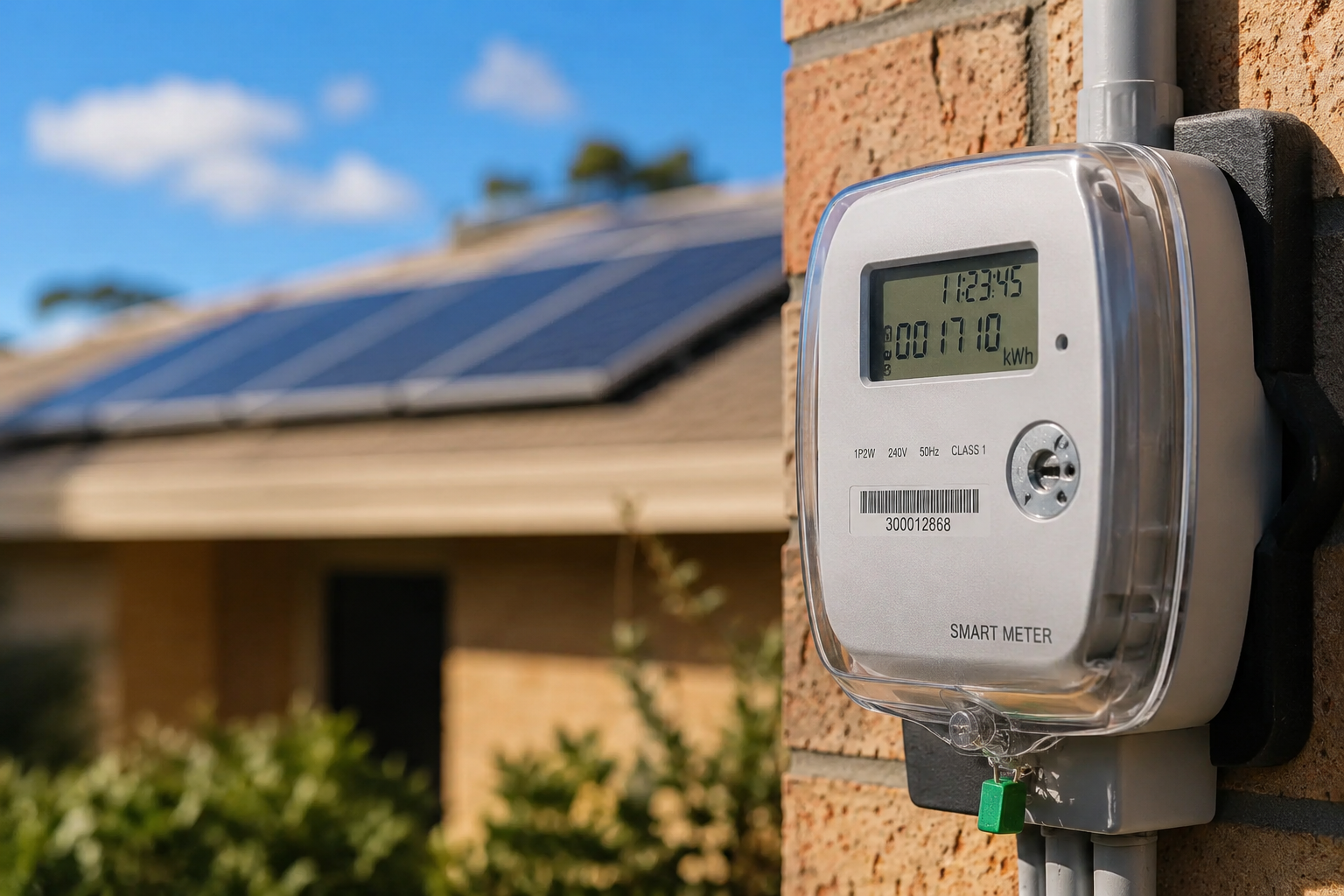
The Solar Sharer Offer gives eligible households three hours of free daytime electricity, but it may not automatically be the cheapest option for every home. Its value depends on location, smart meter access, usage habits, supply charges, rates outside the free window and whether you can shift power use into the free period.
In simple terms, the Solar Sharer Offer helps households use more electricity in the middle of the day, when solar generation is usually high. For some homes, this may support electricity bill savings. For others, the full plan may not work out cheaper.
Quick Summary
- Eligible areasNSW, South Australia and South East Queensland.
- Free window11am–2pm in NSW and South East QLD, 12pm–3pm in SA.
- Solar panelsNot required to access the solar sharer scheme.
- Smart meterRequired. Free electricity is capped at 24 kWh.
Supply charges and electricity used outside the free period still apply.
What Is the Solar Sharer Offer?
The Solar Sharer Offer, also called the solar sharer scheme or solar sharer program, is a regulated electricity offer that encourages households to use more power in the middle of the day.
Australia often has plenty of solar power during daylight hours, but many homes use most electricity later. The offer rewards households that can shift usage away from the evening peak and into the solar-rich part of the day.
Important note: This does not mean your whole bill is free. It means eligible usage during the free daytime window is free up to the daily cap.
Solar Sharer Offer Details: How Does It Work?
| Detail | What It Means |
|---|---|
| Free electricity window | Three hours each day |
| NSW | 11am to 2pm |
| South East QLD | 11am to 2pm |
| South Australia | 12pm to 3pm |
| Daily cap | 24 kWh during the free window |
| Smart meter | Required |
| Rooftop solar | Not required |
| Sign-up | Optional, not automatic |
A smart meter is required because your retailer must measure when your home uses electricity. You do not need rooftop solar, and sign-up is optional.
Who Is Eligible for the Solar Sharer Offer?
- You may be eligible if you live in NSW, South Australia or South East Queensland.
- You must have a household smart meter.
- You must be a residential customer and not supplied through an embedded network.
- Renters and homeowners may both be eligible.
- You do not need your own solar panels to opt in.
The solar sharer offer NSW applies in New South Wales. The solar sharer offer QLD applies in South East Queensland. Victoria is not part of the same current Solar Sharer Offer.
Is the Solar Sharer Offer Actually Free?
The free daytime electricity is real, but the whole electricity plan is not free. You still pay your daily supply charge, electricity used outside the free window and any controlled load charges that apply to your plan.
This is the main catch. A plan with three hours free electricity may still have higher peak rates, shoulder rates, supply charges or a lower solar feed-in tariff. The total bill could be lower, similar or higher depending on how your household uses power.
Before switching, compare the full plan, not just the free power headline.
Who Benefits Most From Free Daytime Electricity?
✓ May Suit
The Solar Sharer Offer may suit households that can move meaningful energy use into the free window. This may include people who work from home, homes with pool pumps, EV owners, households with smart appliances and homes with battery storage.
! May Not Suit
It may be less useful if your home is empty during the day, most electricity use happens at night, you cannot schedule appliances or your current plan is already cheaper overall.
How to Compare a Solar Sharer Plan
Before signing up, check:
- Your daily supply charge.
- Peak, shoulder and off-peak rates.
- The free power window for your state.
- What happens above the 24 kWh cap.
- Controlled load charges.
- Your solar feed-in tariff if you have panels.
- How much usage you can realistically shift.
- Whether another retailer plan is cheaper overall.
Also check how much usage you can shift. The AGL Solar Sharer Offer and Origin Solar Sharer plans should both be checked directly before switching, because retailer charges and conditions can vary.
What Does the Solar Sharer Offer Mean if You Already Have Solar Panels?
If you already have solar panels, the offer needs a closer look. A household without solar may see the offer as a way to access free solar power during the day. A solar household may already be generating power during that same period.
Solar self-consumption: The key question is how much of your own solar you already use. If your panels make power at midday and your home uses it right away, free grid power may be less valuable.
Solar owners should also consider solar export limits and feed-in tariffs. If you export extra solar for a low return, it may be better to use more power during the day or store it in a battery.
What Does It Mean for Solar Battery Storage?
Solar battery storage is one of the strongest parts of the Solar Sharer conversation. Under a Solar Sharer plan, some households can charge a battery during the free daytime window and use that stored energy later, when grid electricity costs more.
Battery value depends on fit: This may suit homes with high evening use, low feed-in tariffs, EV charging, extra rooftop solar or a goal to rely less on the grid. However, battery value depends on tariff structure, battery size, inverter setup, usage habits and installation cost.
How to Make the Most of the Solar Sharer Offer
- Use appliance timers.
- Run pool pumps during the day.
- Pre-cool your home.
- Charge an EV.
- Charge a home battery.
- Move regular tasks into the free period.
Final Thoughts
The Solar Sharer Offer may be worth it if your household can move a meaningful amount of power use into the free daytime window. It may be less useful if you use most electricity at night, your current plan is cheaper or the rates outside the free window reduce the benefit.