
Australia now has more rooftop solar per capita than almost anywhere in the world, but as households add electric vehicles, batteries, and more appliances, many are finding their original system no longer cuts it. Expanding an existing solar setup can boost generation, cut bills further, and prepare your home for what’s coming. Before diving in, you’ll need to assess your inverter capacity, roof space, and compliance obligations. A professional system audit is the smartest first step. For more information on home solar options, see our Residential Solar page.
When Adding Panels Is Possible
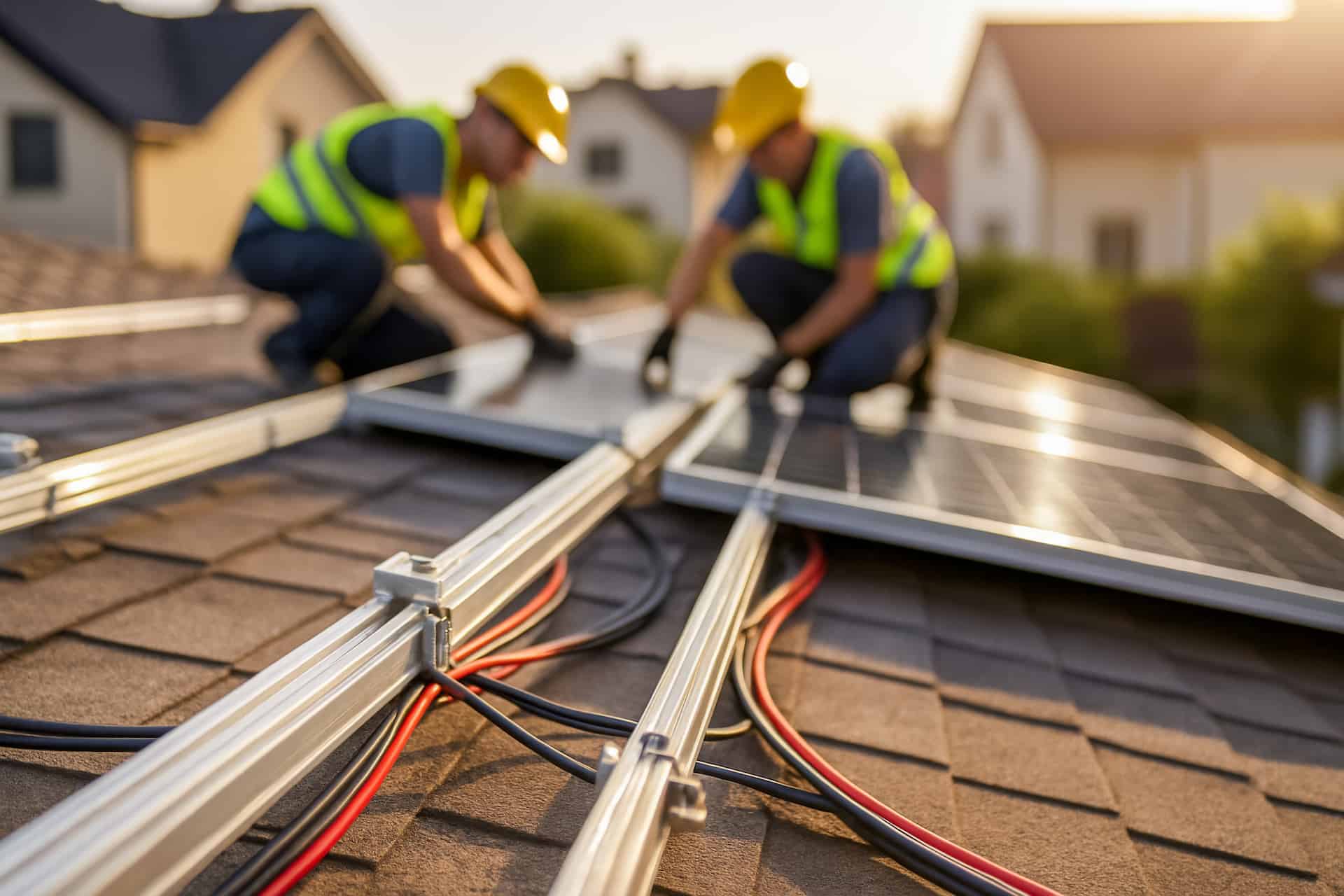
Adding panels to an existing system is often achievable, but it depends heavily on how your current setup was designed. Systems installed with expansion in mind, such as those with extra string capacity or modular inverters, are straightforward to upgrade. Others require more work.
The key factors:
Inverter capacity: Your inverter has a maximum input limit. Exceed it and you’ll see reduced efficiency, system faults, or tripped safety mechanisms.
Roof space and orientation: New panels need adequate area and sun exposure to perform. A north-facing roof with no shading is ideal, though east/west splits can also work well. See our guide on how much roof space you need for solar panels and why solar panels face north in Australia.
Electrical design: Systems with room for additional strings, or those using microinverters, make panel additions simpler and cheaper.
System age and technology: Panels and inverters older than 15 to 20 years may not be compatible with modern high-efficiency panels, which can complicate or limit expansion. Learn more about the lifespan of a solar panel in Australia.
For ongoing reliability, regular maintenance helps ensure your system stays expansion-ready. See our Solar Panel System Service and Maintenance Guide for more.
Inverter and Compliance Considerations
The type of inverter you have determines how much room you have to grow and what it will cost.
String inverters typically handle one or two strings of panels. Adding more panels often means upgrading to a larger unit or installing a second inverter alongside the existing one.
Hybrid or multi-MPPT inverters offer significantly more flexibility, allowing panels to be added across multiple strings without a full inverter replacement. If you’re planning to expand, these are worth the upfront investment.
On the compliance side, Australian regulations mean any system expansion isn’t simply a matter of bolting on extra panels. Depending on your state and the scale of the upgrade, you may need:
- Updated grid connection approvals from your distributor
- Electrical safety inspections to meet AS/NZS standards
- Updated documentation for warranties and feed-in tariff eligibility
It’s also worth understanding how much solar you can export to the grid in Australia, as export limits vary by state and distributor and can directly affect how many panels you’re permitted to add. Western Australia, for instance, has specific Synergy and Western Power requirements around inverter capacity that a licensed installer will know how to navigate.
Battery-First vs Panel-First Upgrades
The order in which you upgrade can affect both cost and system performance.
Panel-first makes sense if your priority is maximising solar generation straight away. You’ll produce more energy immediately, though this may trigger an inverter upgrade if you’re near your existing limit.
Battery-first is the better approach if your main goal is energy independence or reducing reliance on the grid during peak tariff periods. A battery improves self-consumption of what you’re already generating, and future panel additions can then be sized to match the battery’s storage capacity, avoiding waste in either direction.
For most households adding an EV or anticipating rising electricity costs, a staged approach — battery now, panels later — often delivers the best return over time. See our Solar Battery Power Guide, our guide on how solar-powered batteries work, and what size solar battery you need for more detail. You can also explore solar energy storage options and learn about solar electric car charging if an EV is part of your plan.
Cost vs Full Replacement
Expanding an existing system is almost always cheaper than replacing it outright, but not always the right call. Here’s a rough guide:
Adding 3 to 6 panels to a compatible system typically costs $2,000 to $5,000 installed, depending on panel type, roof complexity, and whether cabling needs upgrading.
If your inverter also needs replacing, add $1,500 to $3,500 depending on the size and type, at which point the gap between expansion and full replacement starts to narrow.
A full system replacement (6.6kW) currently runs around $5,000 to $9,000 after rebates in most Australian states, which may be more economical if:
- Your existing panels are 20 or more years old and operating below rated efficiency
- Your inverter is incompatible with modern panels
- You want to take advantage of current high-efficiency panel technology and updated STCs (Small-scale Technology Certificates)
It’s also worth considering how long solar takes to pay for itself in WA when weighing up expansion vs replacement. State rebates and incentives can reduce costs in either scenario. Check what’s available in your state: NSW, QLD, SA, or WA. You can also find a summary of current government solar rebates across Australia.
Planning for Future Expansion
If you’re installing a new system today, designing for future growth saves significant money later:
- Inverter selection: A hybrid or multi-MPPT inverter costs a little more upfront but avoids a costly replacement down the track.
- Roof space: Identify where additional panels could go and confirm they’ll receive adequate sun exposure year-round. Our guide on why solar panels face north in Australia is useful background here.
- Wiring and switchboard: Properly sized cabling and an accessible switchboard make future additions faster and cheaper to complete.
- Compatibility: Choose panels and inverters from manufacturers with strong warranty terms and documented expansion provisions.
- Energy forecasting: Estimate future demand — EV charging alone can add 3,000 to 5,000 kWh annually — and size your system accordingly. See our solar electric car charging guide for more.
Our Solar Panel Installation Steps Guide walks through this planning process in detail.
Book a Professional System Audit
Expanding a solar system isn’t a one-size-fits-all process. A professional audit gives you a clear picture of what your current setup can support, what it will cost to expand, and what compliance steps apply in your state.
A thorough audit will cover inverter capacity and panel compatibility, available roof space and shading analysis, battery integration options, and grid connection requirements.
Getting this done before committing to any upgrade means fewer surprises, better decisions, and a system built to last. Contact us today to book your assessment.